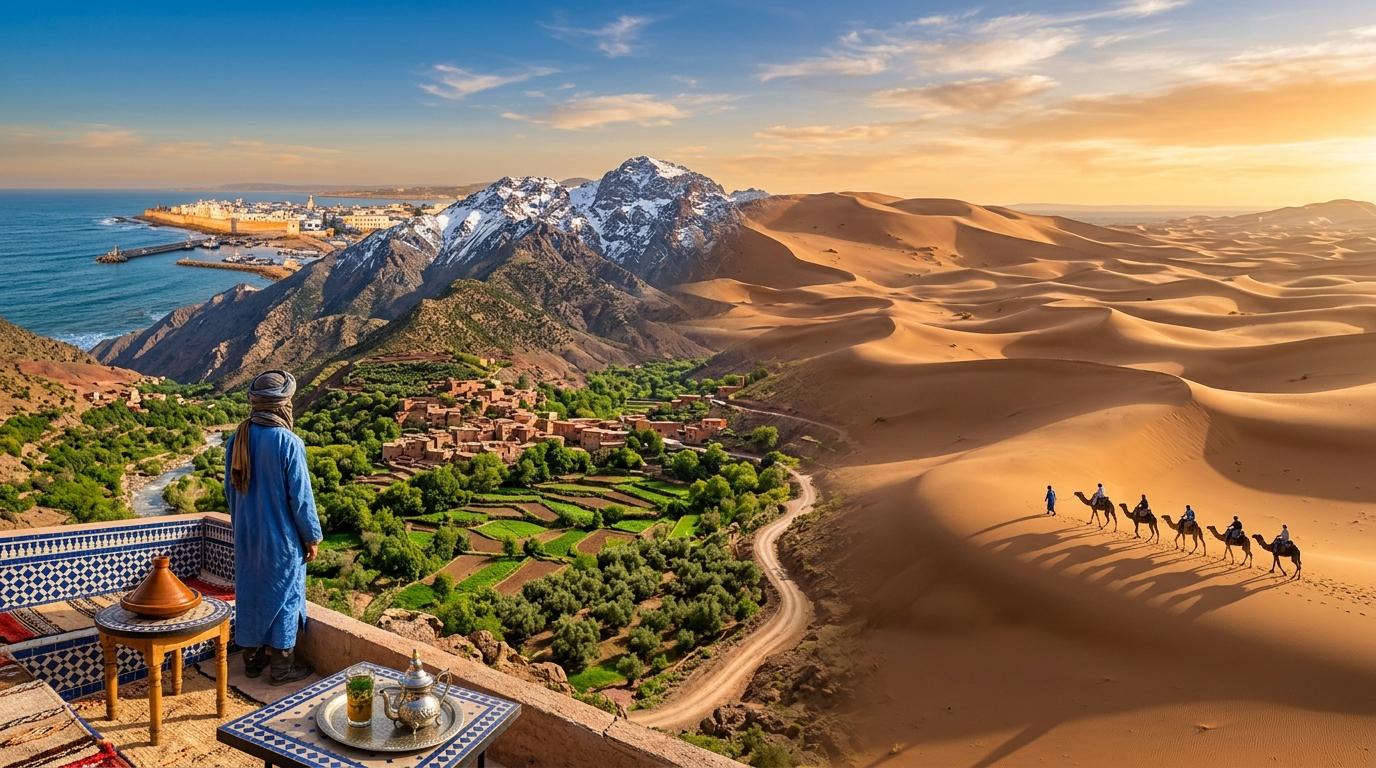
Introduction: Discover the Best of Morocco
Morocco is a fascinating destination where ancient cities, colorful markets, dramatic mountains, golden desert dunes, and beautiful coastlines come together. Whether you are planning your first visit or returning to discover more, the Morocco highlights offer an unforgettable journey through the country’s landscapes, history, and traditions.
From the lively streets of Marrakech to the peaceful blue alleys of Chefchaouen, every destination offers a different experience. You can explore historic medinas, taste traditional Moroccan food, ride a camel across the Sahara Desert, visit traditional villages, and relax beside the Atlantic Ocean.
With Camel Trophy Tours, travelers can discover these remarkable places through thoughtfully planned Morocco tours, desert adventures, and cultural experiences.
1. Marrakech: The Red City

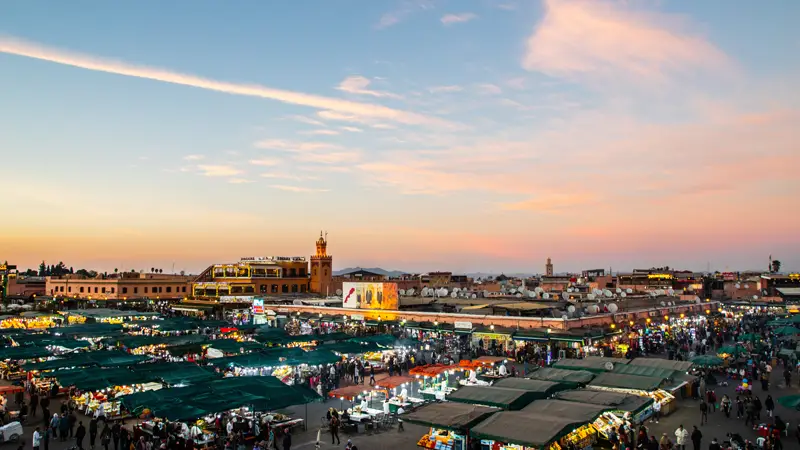
Marrakech is one of the most popular destinations in Morocco, known for its red-colored buildings, historic palaces, lively souks, and beautiful gardens. It is an excellent starting point for discovering Moroccan culture.
The famous Jemaa el-Fnaa square comes alive with food stalls, musicians, storytellers, and local vendors. Inside the medina, visitors can shop for handmade rugs, leather goods, lanterns, spices, and traditional crafts.
Top things to do in Marrakech:
- Explore Jemaa el-Fnaa and the traditional souks.
- Visit Bahia Palace and the Majorelle Garden.
- Enjoy Moroccan mint tea on a rooftop terrace.
- Taste tagine, couscous, and traditional pastries.
- Start a guided trip toward the Atlas Mountains or Sahara Desert.
2. Merzouga and the Sahara Desert

A Sahara Desert experience is one of the most memorable Morocco highlights. Near Merzouga, the impressive dunes of Erg Chebbi create a spectacular landscape of golden sand that changes color throughout the day.
Visitors can enjoy a camel trek across the dunes, watch the sunset, spend a night in a desert camp, and admire the stars far from the lights of major cities.
Best experiences in the Sahara:
- Camel trekking at sunset.
- Sleeping in a traditional or luxury desert camp.
- Watching sunrise over the dunes.
- Discovering local music and hospitality.
- Exploring nearby villages and desert landscapes.
A multi-day desert journey is a wonderful way to connect Marrakech, the Atlas Mountains, traditional kasbahs, and the Sahara.
Recommended for: Couples, families, photographers, adventure lovers, and first-time visitors.
3. Chefchaouen: The Blue City

Nestled in the Rif Mountains, Chefchaouen is famous for its beautiful blue-painted streets, peaceful atmosphere, and mountain scenery. It offers a relaxing contrast to Morocco’s larger and busier cities.
Visitors can wander through narrow alleys, photograph colorful doors, shop for local handicrafts, and enjoy traditional Moroccan meals in small restaurants.
Things to do in Chefchaouen:
- Explore the blue streets of the old medina.
- Visit the historic Kasbah and its garden.
- Enjoy panoramic views from the Spanish Mosque area.
- Discover local markets and handmade products.
- Take a nature walk in the surrounding Rif Mountains.
Chefchaouen is particularly appealing to travelers who enjoy photography, culture, and slower-paced exploration.
4. Fes: Morocco’s Historic Cultural Center

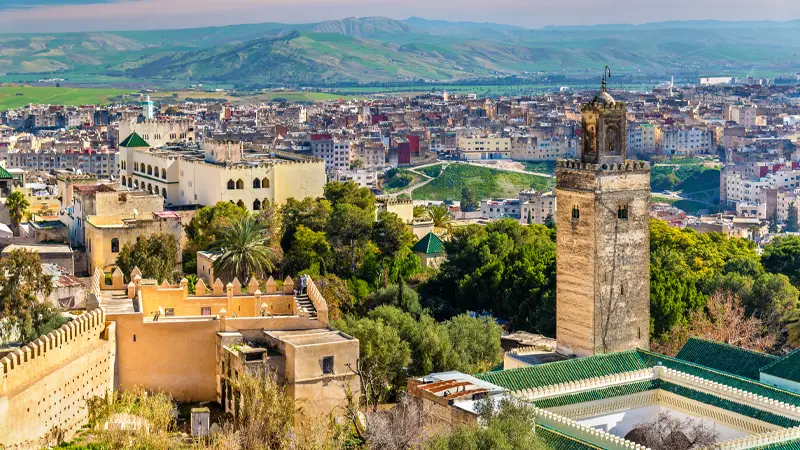
Fes is renowned for its historic medina, traditional crafts, religious heritage, and centuries-old architecture. Fes el-Bali is a remarkable place to explore on foot, with winding streets filled with workshops, bakeries, markets, and historic buildings.
A guided walking tour can help you understand the city’s heritage and navigate its maze-like streets.
Highlights of Fes include:
- Exploring Fes el-Bali.
- Discovering traditional tanneries from designated viewpoints.
- Visiting historic madrasas and architectural landmarks.
- Shopping for ceramics, leather goods, and textiles.
- Sampling local specialties, including traditional pastilla.
Fes is an excellent stop for travelers interested in Moroccan history, architecture, and traditional craftsmanship.
5. The Atlas Mountains

The Atlas Mountains offer a completely different side of Morocco, with rugged peaks, green valleys, mountain trails, and traditional Amazigh villages.
Travelers can take scenic drives, enjoy guided hikes, visit local communities, and experience the landscapes surrounding Mount Toubkal. The Ourika Valley is another popular option for a day trip from Marrakech.
Best mountain experiences:
- Hiking with a knowledgeable local guide.
- Visiting traditional villages.
- Enjoying panoramic mountain viewpoints.
- Discovering local food and hospitality.
- Photographing valleys, terraced fields, and mountain passes.
The best activity depends on the season, weather, and your fitness level.
6. Ait Ben Haddou: The Famous Earthen Kasbah

Ait Ben Haddou is a historic fortified settlement near Ouarzazate, celebrated for its earthen architecture and distinctive desert-region setting. Its clustered buildings and defensive walls create one of the country’s most recognizable historic landscapes.
Walking through its narrow passages reveals traditional building techniques and views across the surrounding countryside.
Why visit Ait Ben Haddou?
- Discover traditional southern Moroccan architecture.
- Learn about historic settlement and trade routes.
- Enjoy panoramic views from elevated viewpoints.
- Combine the visit with Ouarzazate and the Atlas Mountains.
It is a popular stop on overland journeys between Marrakech and the Sahara Desert.
7. Casablanca: Modern Morocco and the Atlantic Coast

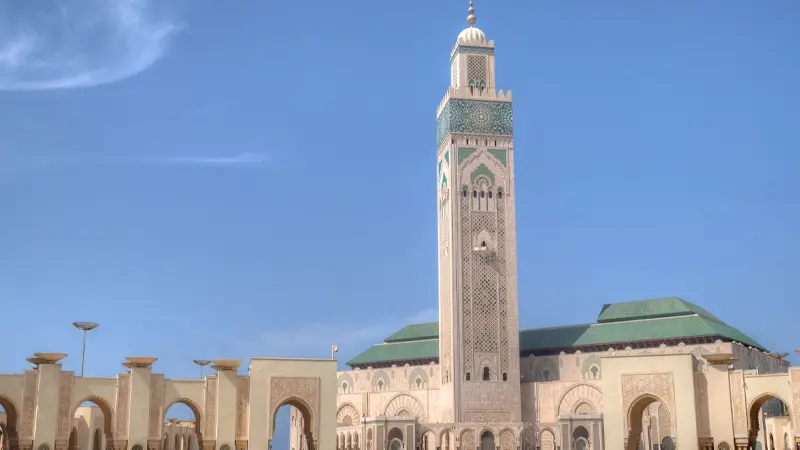
Casablanca is Morocco’s major commercial city, combining contemporary urban life with historic districts and ocean views. It is also home to the impressive Hassan II Mosque, known for its prominent position beside the Atlantic Ocean.
Visitors can explore the Corniche, enjoy cafés and restaurants, and discover the city’s architecture.
Top attractions in Casablanca:
- Hassan II Mosque, with visits subject to its visitor arrangements.
- The Corniche waterfront.
- Art Deco buildings in the city center.
- Local restaurants and cafés.
- Historic neighborhoods and markets.
Casablanca is a useful starting or ending point for a wider Morocco itinerary.
8. Essaouira: Coastal Charm and Atlantic Breezes

Essaouira is a coastal town known for its historic ramparts, whitewashed buildings, blue fishing boats, and relaxed atmosphere. Its medina offers a pleasant mix of shopping, culture, cafés, and seafood restaurants.
The Atlantic winds also make the area popular for surfing and other wind-powered water sports.
Things to enjoy in Essaouira:
- Walk along the historic sea walls.
- Explore the medina and its artisan shops.
- Try freshly prepared seafood.
- Visit the fishing port.
- Relax on the beach or explore local surf spots.
Essaouira is an appealing addition to a Morocco tour for travelers seeking a slower pace after exploring busy cities.
9. Rabat: The Capital of Morocco

Rabat blends modern capital-city life with historic landmarks, gardens, and coastal scenery. Its calmer atmosphere makes it an attractive destination for travelers interested in history and architecture.
Key sights include the Kasbah of the Udayas, Hassan Tower, and the Mausoleum of Mohammed V. Visitors can also stroll through gardens and explore historic quarters.
Rabat works particularly well on itineraries that include Casablanca, Fes, Meknes, or northern Morocco.
10. Tangier: Where the Mediterranean Meets the Atlantic

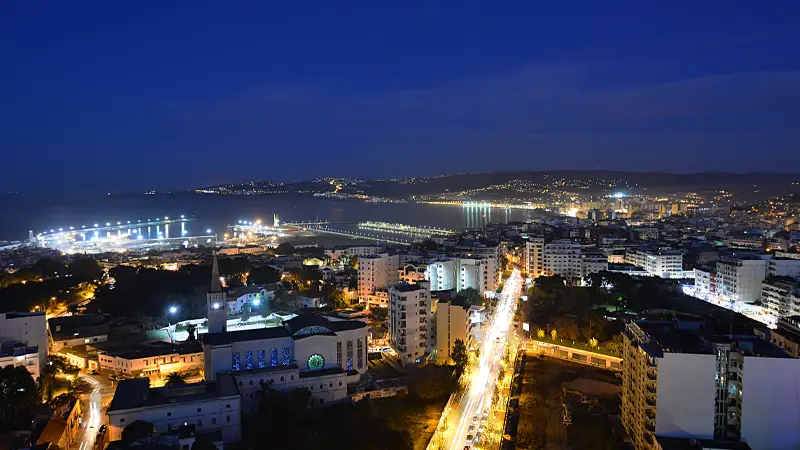
Tangier has a distinctive character shaped by its location near the Strait of Gibraltar and its long history of international connections. Its medina, cafés, waterfront, and surrounding coastal scenery make it an appealing gateway to northern Morocco.
Top experiences in Tangier:
- Walk through the historic medina and Kasbah.
- Enjoy views over the Strait of Gibraltar.
- Visit Cap Spartel and the nearby coastal area.
- Explore local markets and cafés.
- Combine Tangier with Tetouan and Chefchaouen.
Tangier is ideal for travelers who want to explore the northern part of the country.
11. Ouarzazate and the Draa Valley

Ouarzazate and the Draa Valley reveal the dramatic landscapes of southern Morocco. The region features palm groves, traditional kasbahs, rocky mountains, and desert-edge villages.
Ouarzazate is often used as a base for exploring Ait Ben Haddou and surrounding landscapes. Further south, the Draa Valley offers scenic drives through oasis communities and date-palm groves.
These destinations are particularly rewarding for travelers who want to experience the journey between the mountains and the desert rather than simply traveling between major cities.
12. Agadir and Morocco’s Beautiful Beaches

Agadir is a popular seaside destination known for its long sandy beach, sunny weather, and relaxed resort atmosphere. It is an excellent choice for visitors who want to combine sightseeing with time to unwind.
Nearby Taghazout attracts surfers, while the wider region offers opportunities to discover coastal villages, argan landscapes, and the Souss countryside.
Best things to do in Agadir:
- Relax on the beach.
- Visit the hilltop viewpoint overlooking the city.
- Explore the local markets.
- Try surfing near Taghazout.
- Take day trips into the surrounding countryside.
Agadir is a great addition to a longer Morocco holiday, especially for travelers who enjoy coastal scenery.
Experience Moroccan Culture, Food, and Hospitality

The best Morocco highlights are not limited to famous landmarks. The country’s culture is an essential part of the travel experience.
Taste traditional Moroccan cuisine
Try chicken or lamb tagine, couscous, harira soup, pastilla, and Moroccan mint tea. Local markets and family-run restaurants offer opportunities to discover regional flavors.
Explore souks and traditional crafts
Moroccan markets are full of handmade ceramics, leather products, textiles, lamps, spices, and other traditional goods. Take your time, ask questions, and agree on a price before purchasing when bargaining is customary.
Stay in a traditional riad
A riad is a traditional house arranged around an interior courtyard or garden. Staying in a riad can provide an intimate introduction to Moroccan architecture and hospitality.
Discover local traditions
Respectful interactions with local communities, visits to historic neighborhoods, and guided cultural experiences can help you better understand Morocco’s rich heritage.
For further destination inspiration, explore the official Moroccan National Tourist Office, which provides information about places to visit, culture, nature, and travel planning.
How Many Days Do You Need to Discover Morocco’s Highlights?
The right itinerary depends on your interests, available time, and preferred travel pace.
| Trip length | Suggested highlights |
|---|---|
| 3–4 days | Marrakech and the Atlas Mountains, or a short regional trip |
| 5–7 days | Marrakech, Ait Ben Haddou, and a Sahara Desert journey |
| 8–10 days | Marrakech, Sahara Desert, Fes, and selected historic destinations |
| 12–15 days | A wider route including imperial cities, the desert, northern Morocco, or the coast |
These are planning suggestions rather than fixed itineraries. Driving distances in Morocco can be substantial, so avoid squeezing too many destinations into a short trip.
Best Time to Visit Morocco
Spring and autumn are popular seasons for exploring Morocco because daytime temperatures are often more comfortable for sightseeing and outdoor activities. However, conditions vary significantly by region.
- Spring (March–May): A good option for cities, landscapes, and many outdoor activities.
- Summer (June–August): Often hot in inland cities and desert regions, while some coastal areas are cooler.
- Autumn (September–November): A popular period for city visits and desert trips.
- Winter (December–February): Can be pleasant in some cities, but mountain areas may be cold and snowy, and desert nights can be very chilly.
Check regional forecasts and plan clothing and activities according to your destinations.
Discover Morocco with Camel Trophy Tours
From the historic medinas of Marrakech and Fes to the blue streets of Chefchaouen and the golden dunes near Merzouga, Morocco offers something for every kind of traveler.
Camel Trophy Tours can help you discover Morocco through desert excursions, multi-day journeys, cultural visits, and scenic routes. Whether you want a short desert adventure or a longer holiday combining cities, mountains, and the Sahara, choose an itinerary that fits your interests and available time.
Explore our Morocco tours and start planning your next adventure.
Ready to discover the best of Morocco? Contact Camel Trophy Tours to plan your journey through Morocco’s most memorable destinations.
Frequently asked questions about Morocco highlights
1. What are the main highlights of Morocco?
The main highlights include Marrakech, Fes, Chefchaouen, Merzouga and the Sahara Desert, the Atlas Mountains, Ait Ben Haddou, Essaouira, Casablanca, Rabat, Tangier, Ouarzazate, and Agadir.
2. What is the most beautiful place to visit in Morocco?
Beauty is subjective, but Merzouga’s sand dunes, Chefchaouen’s blue streets, the Atlas Mountains, and the historic medinas of Marrakech and Fes are among the most memorable places for many travelers.
3. Is the Sahara Desert worth visiting?
Yes. A well-planned Sahara trip offers opportunities for camel trekking, sunset and sunrise views, desert camping, stargazing, and discovering communities in southern Morocco.
4. How many days are enough to see Morocco?
Seven to ten days can provide a rewarding introduction to several major destinations. A trip of twelve to fifteen days allows more time for additional cities, the desert, or the coast without rushing as much.
5. What is the best month to visit Morocco?
April, May, September, and October are often good choices for a varied itinerary, although the best month depends on the region and planned activities.
6. Can I visit Marrakech and the Sahara Desert on the same trip?
Yes. Many travelers combine Marrakech with a multi-day desert tour via the Atlas Mountains and southern Morocco. Allow enough time for the long drives and overnight stops.
7. Why choose Camel Trophy Tours for a Morocco trip?
A tour operator can help organize transportation, sightseeing, desert experiences, and overnight stays into a practical itinerary tailored to your interests and travel schedule.