Trip to Morocco: Your Complete Guide to Planning the Perfect Adventure
A trip to Morocco offers an experience unlike anywhere else in the world. From the bustling medinas of ancient cities to the silent golden dunes of the Sahara Desert, Morocco blends African, Arab, and European influences into a destination that captivates every traveler. Whether you’re wandering through vibrant souks, crossing the High Atlas Mountains, or sleeping under the stars in the desert, Morocco delivers memories that last a lifetime.
We’ve been organizing trips to Morocco for years, and we know exactly what makes a journey here unforgettable. This comprehensive guide covers everything you need to plan your trip to Morocco – from the best time to visit and top destinations to practical tips on visas, safety, and budgeting. By the end, you’ll have the knowledge and confidence to explore this remarkable country.
Why Morocco Should Be Your Next Destination
Morocco sits at the crossroads of Africa and Europe, just a short flight from major European cities. This proximity, combined with its exotic landscapes and rich culture, makes it one of the most accessible adventure destinations in the world.
What makes Morocco special:
- Diverse Landscapes: We take travelers from coastal beaches to snow-capped mountains to desert dunes – all within a single trip. The variety of scenery is unmatched.
- Rich Cultural Heritage: Four imperial cities (Marrakech, Fes, Meknes, and Rabat) showcase centuries of Moroccan history through stunning architecture, ancient medinas, and royal palaces.
- Affordable Luxury: Your money goes further in Morocco. Enjoy beautiful riads, delicious cuisine, and unique experiences at prices well below European standards.
- Warm Hospitality: Moroccans are known for their welcoming nature. Expect mint tea invitations, genuine smiles, and memorable interactions with locals.
- Year-Round Destination: Morocco’s varied climate means there’s always somewhere perfect to visit, regardless of the season.
Best Time to Plan Your Trip to Morocco
Timing your trip to Morocco correctly can significantly enhance your experience. The country’s diverse geography means different regions have different optimal seasons.
Spring (March to May) – Highly Recommended
We consider spring the ideal time for most travelers. Temperatures are pleasant across the country – warm but not hot. The landscape comes alive with wildflowers, especially in the Atlas Mountains and valleys. The Rose Valley near Ouarzazate celebrates its harvest in May with the famous Rose Festival. This season works perfectly for desert tours, mountain trekking, and city exploration.
Autumn (September to November) – Highly Recommended
Autumn offers similar advantages to spring. Summer heat subsides while winter cold hasn’t arrived. The Sahara Desert becomes comfortable for camping, and the imperial cities are pleasant to explore on foot. Crowds thin out after summer, and prices often drop.
Summer (June to August) – Coastal Areas Best
Interior cities like Marrakech and Fes can exceed 40°C (104°F) during summer. We recommend coastal destinations during this period – Essaouira, Agadir, and Tangier offer sea breezes and moderate temperatures. Desert tours are challenging due to extreme heat, though not impossible with proper planning and air-conditioned vehicles.
Winter (December to February) – Desert & Southern Morocco
Winter brings mild, pleasant weather to southern Morocco and the Sahara. Days are comfortable around 18-22°C (64-72°F), though desert nights get cold (sometimes near freezing). The Atlas Mountains receive snow, creating beautiful contrasts. Northern cities can be rainy, but southern regions remain dry and sunny.
Ramadan Consideration
If your trip to Morocco coincides with Ramadan (dates change yearly based on the lunar calendar), expect some restaurants to close during daylight hours. However, tourist establishments remain open, and experiencing Iftar (the evening meal breaking the fast) can be a cultural highlight. We help travelers navigate this period smoothly.
Top Destinations for Your Trip to Morocco
Marrakech – The Red City
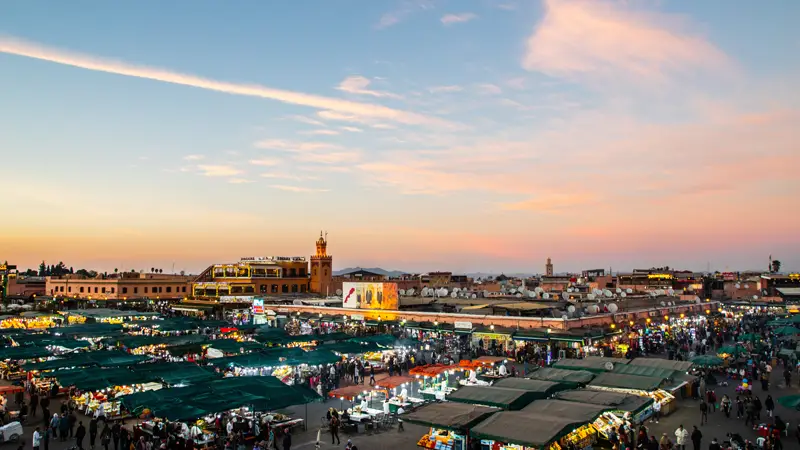
Marrakech is often the starting point for any trip to Morocco. The famous Jemaa el-Fnaa square transforms each evening into a carnival of storytellers, musicians, snake charmers, and food stalls. We recommend exploring:
- Bahia Palace – Stunning 19th-century palace with intricate tilework and peaceful gardens
- Majorelle Garden – Created by French painter Jacques Majorelle, later owned by Yves Saint Laurent
- The Souks – Vast markets selling everything from spices to leather to carpets
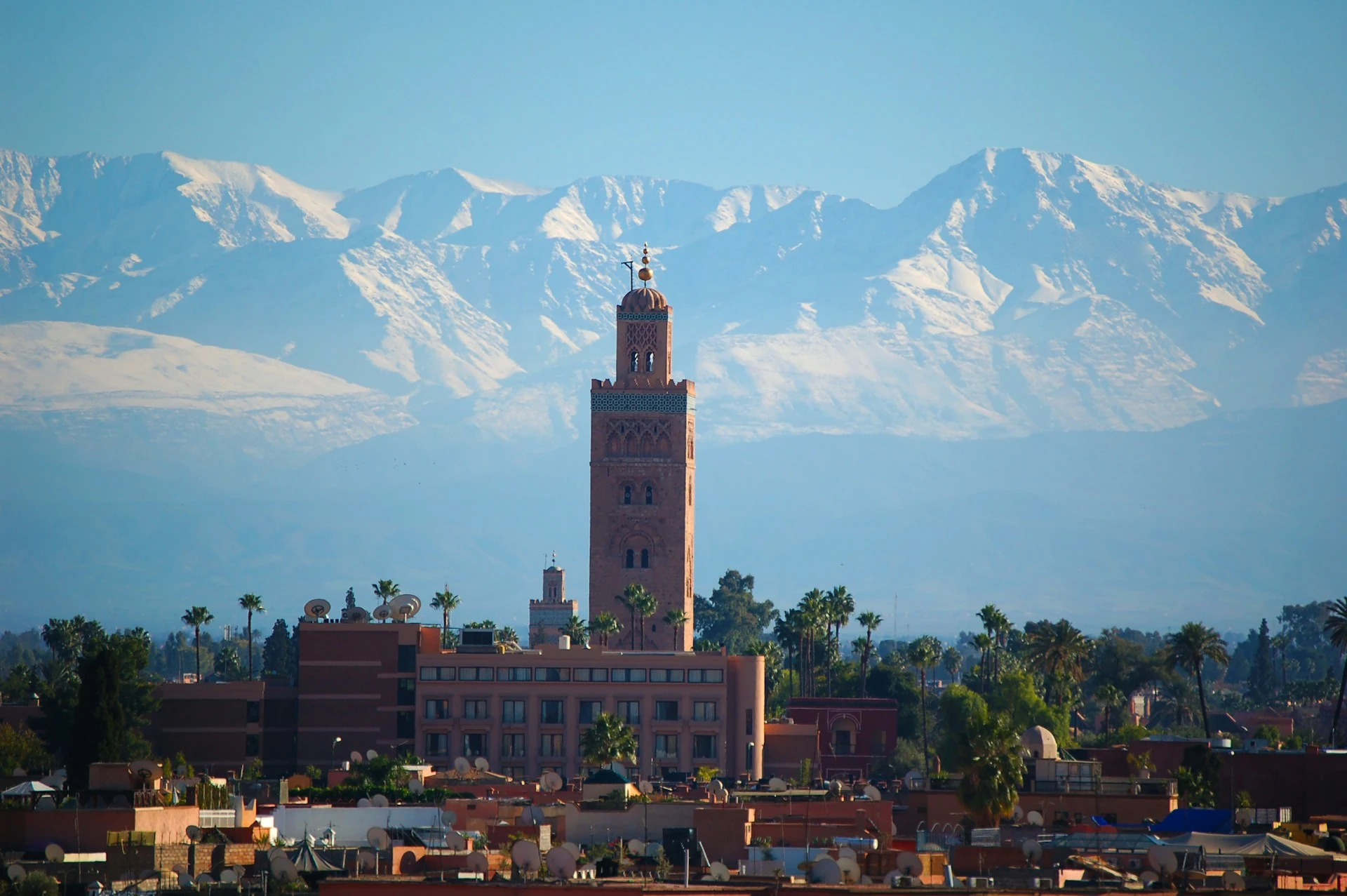
- Koutoubia Mosque – The city’s iconic minaret visible from across the medina
Marrakech serves as the perfect base for desert excursions. Our 3 days tour from Marrakech to Merzouga takes you from the city into the heart of the Sahara, crossing the Atlas Mountains and exploring ancient kasbahs along the way.
Fes – The Cultural Capital
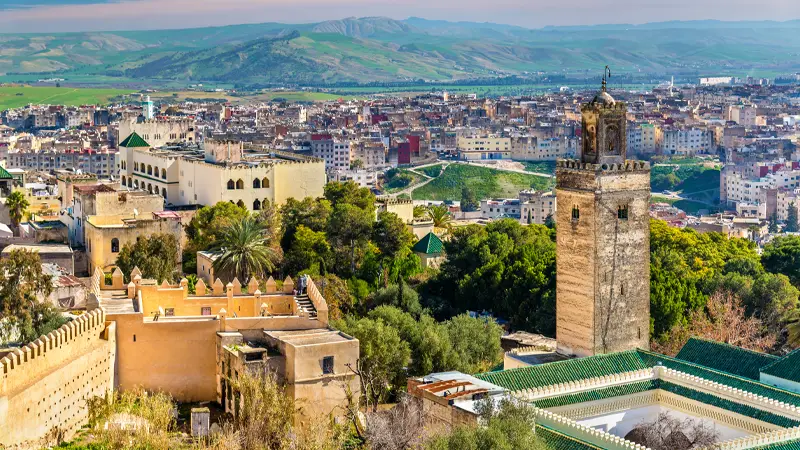
Fes contains the world’s oldest and largest car-free urban area. The Fes el-Bali medina (a UNESCO World Heritage Site) features over 9,000 alleyways where traditional life continues unchanged for centuries.
- Al-Qarawiyyin Mosque – One of the world’s oldest universities
- Leather Tanneries – Watch traditional dyeing methods still in use
- Bou Inania Madrasa – Masterpiece of Marinid architecture
- Traditional Crafts – Pottery, metalwork, and textiles made using ancient techniques
A local guide is essential in Fes – the medina is genuinely labyrinthine.
The Sahara Desert – Merzouga & Erg Chebbi
No trip to Morocco is complete without experiencing the Sahara Desert. We take travelers to the Erg Chebbi dunes near Merzouga – golden sand mountains reaching 150 meters high. The experience includes:
- Sunset camel trek into the dunes
- Night in a traditional Berber camp under thousands of stars
- Sunrise over the Sahara – watching colors shift from purple to pink to gold
- Gnawa music performances around the campfire
For travelers with limited time, our 3 days tour from Marrakech to Merzouga efficiently covers this experience. Those with more time can enjoy our 5 days desert tour from Marrakech to Merzouga which allows for deeper exploration of the Dades Valley and Todra Gorges.
Chefchaouen – The Blue City
Nestled in the Rif Mountains, Chefchaouen is famous for its blue-painted buildings. Every wall, door, and stairway is washed in shades of blue, creating an incredibly photogenic town. The mountain setting and relaxed atmosphere make it perfect for travelers seeking tranquility after bustling cities.
Atlas Mountains
The High Atlas range runs through Morocco, with peaks exceeding 4,000 meters. We arrange:
- Day trips from Marrakech to Berber villages
- Trekking to Mount Toubkal (North Africa’s highest peak)
- Scenic drives through mountain passes like Tizi n’Tichka (2,260 meters)
The mountains provide stunning contrasts – green valleys, traditional villages, and snow-capped peaks.
Essaouira – Coastal Charm
This laid-back coastal town offers a break from intense medina energy. Portuguese fortifications, artistic communities, fresh seafood, and consistent winds (perfect for surfing and windsurfing) make Essaouira a favorite among travelers seeking relaxation.
Essential Stops Along the Desert Route
When we organize desert tours, we include these remarkable sites:
Ait Ben Haddou
This UNESCO World Heritage Site is an ancient fortified village (ksar) that has appeared in over 20 Hollywood films including Gladiator, Game of Thrones, and Lawrence of Arabia. The red clay architecture against desert backdrop creates stunning photographs.
Todra Gorges
Dramatic canyon walls rising 300 meters high, narrowing to just 10 meters across. The sheer scale impresses every visitor.
Dades Valley
Known as the “Valley of a Thousand Kasbahs” for the countless ancient fortified villages dotting the landscape. Unique rock formations including the famous “Monkey Fingers” create otherworldly scenery.
Draa Valley
Morocco’s longest river valley, lined with endless palm groves and traditional mud-brick villages. This ancient caravan route once connected Marrakech to Timbuktu.
Our 4 days desert tour from Marrakech to Merzouga includes all these stops, while our comprehensive 10 days desert tour from Casablanca to Merzouga covers these plus the imperial cities of the north.
Getting to Morocco
Major Airports
- Marrakech Menara Airport (RAK) – Most popular for tourists, well-connected to Europe
- Casablanca Mohammed V Airport (CMN) – Morocco’s largest, good for North American connections
- Fes-Saïs Airport (FEZ) – Convenient for northern Morocco
- Tangier Ibn Battouta Airport (TNG) – Gateway from Spain
- Agadir Al Massira Airport (AGA) – Beach resort destination
Flights from Europe
Budget airlines like Ryanair, EasyJet, and Transavia offer affordable direct flights from major European cities. Flight times:
- London to Marrakech: 3.5 hours
- Paris to Marrakech: 3 hours
- Madrid to Marrakech: 1.5 hours
Flights from North America
Direct flights from New York (JFK) to Casablanca take approximately 7 hours. Connections through European hubs (Paris, London, Madrid) are also common.
By Ferry from Spain
Ferries connect Spain to Morocco:
- Algeciras or Tarifa to Tangier: 60-90 minutes
- Barcelona to Tangier: 28-36 hours
You can bring your vehicle on the ferry if you plan to drive in Morocco.
Transportation Within Morocco
Private Driver/Guide (We Recommend This)
For the best trip to Morocco experience, we recommend private transportation with an English-speaking driver-guide. Benefits include:
- Flexibility – Stop wherever you want for photos
- Local knowledge – Insights into culture, history, and hidden gems
- Comfort – Air-conditioned vehicles, no crowded buses
- Safety – Experienced drivers on mountain roads
- Efficiency – No wasted time figuring out schedules
All our tours – from the 3 days tour from Marrakech to Merzouga to the 10 days desert tour from Casablanca to Merzouga – include private transportation with experienced local drivers.
Trains
Morocco’s rail network connects major northern cities efficiently. The high-speed train (Al Boraq) links Tangier to Casablanca in just 2 hours. Trains are comfortable, mostly on-time, and affordable. However, they don’t reach southern Morocco or desert regions.
Buses
CTM and Supratours operate intercity buses throughout Morocco. They’re budget-friendly but slower than trains and sometimes crowded. Useful for reaching cities not on rail lines.
Grands Taxis
Shared long-distance taxis connect smaller towns. They’re faster than buses but depart only when full (6 passengers). Not ideal for tourists with luggage or tight schedules.
Rental Cars
Possible but challenging. Driving in medinas is prohibited, and mountain/desert roads require experience. If you rent, choose reputable companies and ensure comprehensive insurance.
What to Pack for Your Trip to Morocco
Clothing:
- Modest attire – Cover shoulders and knees, especially in conservative areas and mosques
- Layers – Temperatures vary greatly between day and night
- Comfortable walking shoes – Medinas have uneven surfaces
- Light jacket or fleece – Essential for desert nights and mountain regions
- Scarf or shawl – Useful for sun protection and visiting religious sites
- Hat and sunglasses – Sun is intense, especially in desert
Essentials:
- Sunscreen (SPF 50+)
- Reusable water bottle
- Small daypack
- Portable charger – Useful for long drives and desert camps
- Basic medications – Pharmacies exist but may lack specific brands
- Cash in small denominations – For tips and small purchases
For Desert Tours:
- Warm jacket – Desert nights can be cold (even freezing in winter)
- Headlamp or flashlight – Desert camps have minimal lighting
- Wet wipes – Useful when water access is limited
Cultural Tips and Etiquette
Understanding local customs enhances your trip to Morocco significantly:
Greetings Moroccans greet with “Salam Alaikum” (peace be upon you). A handshake is common, though some conservative Muslims (especially women) may not shake hands with opposite gender. Follow their lead.
Photography Always ask permission before photographing people. Some may request a small tip, which is reasonable for posed photos. Never photograph military or police installations.
Bargaining Expected in souks. Start at 50% of asking price and negotiate from there. It’s a social interaction, not confrontation. Smile and be respectful.
Tipping Tipping culture exists in Morocco. Guidelines:
- Restaurant servers: 10-15% of bill
- Hotel staff: 10-20 MAD per service
- Guides: 100-200 MAD per day
- Drivers: 50-100 MAD per day
- Small services (parking attendants, bathroom attendants): 2-5 MAD
Dress Code Morocco is relatively liberal but still Muslim. Modest clothing shows respect. Cover shoulders and knees. Beachwear is only appropriate at beaches or hotel pools.
Alcohol Available in licensed establishments, tourist hotels, and some restaurants. Not consumed publicly by most Moroccans.
Left Hand Avoid eating or giving/receiving with left hand (traditionally considered unclean).
Safety and Health
General Safety
Morocco is generally safe for tourists. Millions visit annually without incident. However, practice standard travel precautions:
- Petty theft exists in crowded areas – secure valuables
- Aggressive touts in tourist areas – politely decline and keep walking
- Scams targeting tourists occur – use reputable services (like our guided tours)
- Traffic can be chaotic – be careful when crossing streets
Health Considerations
- Tap water – Drink bottled water to be safe
- Food hygiene – Eat at busy restaurants where food turnover is high
- Sun exposure – Intense, especially in desert. Use strong sunscreen
- Stomach issues – Common. Bring anti-diarrheal medication
- No mandatory vaccinations – But ensure routine vaccinations are current
- Travel insurance – Strongly recommended for all travelers
For Solo Female Travelers
Morocco is manageable for solo female travelers with awareness:
- Dress modestly to minimize unwanted attention
- Ignore catcalls – engaging encourages more
- Stay in well-reviewed accommodations
- Join organized tours for desert/remote areas
- Trust your instincts
We have many solo female travelers on our tours who feel completely safe with our experienced guides.
Visa and Entry Requirements
Planning your trip to Morocco requires understanding entry requirements:
Passport Requirements
- Valid passport required for all visitors
- Passport must be valid for at least 3 months beyond entry date
- Ensure at least one blank page for entry/exit stamps
Visa-Free Entry
Citizens of these countries enjoy visa-free entry for up to 90 days:
- European Union countries
- United States
- Canada
- United Kingdom
- Australia
- New Zealand
- Most Western countries
No advance visa application needed – simply arrive and receive your stamp.
Stays Over 90 Days
If planning to stay longer than 90 days, you’ll need to:
- Apply for an extension at local police station
- Or exit and re-enter the country
- Consult Moroccan embassy for specific requirements
Useful Resources
- Embassy of Morocco website for latest requirements
- Your country’s foreign affairs department for travel advisories
- Always check requirements before booking as rules can change
Budget Planning for Your Trip to Morocco
Morocco offers excellent value compared to European destinations. Here’s what to expect:
Accommodation (per night)
- Budget hostels/guesthouses: $10-30 USD
- Mid-range riads: $50-100 USD
- Luxury riads/hotels: $150-400+ USD
Food (per day)
- Street food/local restaurants: $10-20 USD
- Mid-range restaurants: $20-40 USD
- Fine dining: $50+ USD
Transportation
- City taxi rides: $1-5 USD
- Train tickets: $10-30 USD (depending on distance)
- Private desert tour: $150-400 USD per person (includes accommodation, meals, transport)
Activities
- Museum entries: $2-10 USD
- Guided medina tour: $20-50 USD
- Hammam (traditional bath): $20-50 USD
- Cooking class: $30-80 USD
Overall Daily Budget
- Budget traveler: $30-50 USD/day
- Mid-range traveler: $80-150 USD/day
- Luxury traveler: $250+ USD/day
Money-Saving Tip: Booking organized tours often saves money because transport, accommodation, meals, and activities are bundled at better rates than arranging separately. Our 3 days tour from Marrakech to Merzouga and 4 days desert tour from Marrakech to Merzouga include most expenses upfront.
Suggested Itineraries for Your Trip to Morocco
One Week Itinerary
Days 1-2: Marrakech Explore the medina, Jemaa el-Fnaa, Bahia Palace, and souks.
Days 3-5: Desert Tour Join our 5 days desert tour from Marrakech to Merzouga – cross Atlas Mountains, visit Ait Ben Haddou, explore Todra Gorges, camel trek at sunset, sleep in desert camp.
Days 6-7: Marrakech or Essaouira Relax, shop for souvenirs, or take a day trip to the coast.
Ten Days Itinerary
Days 1-2: Marrakech Explore the Red City thoroughly.
Days 3-6: Extended Desert Experience Our 4 days desert tour from Marrakech to Merzouga or the 5 days desert tour from Marrakech to Merzouga allows deeper exploration – Dades Valley, Rose Valley, two nights experiencing different landscapes.
Days 7-8: Fes Explore the ancient medina with a local guide.
Days 9-10: Chefchaouen or Coast Blue city photography or coastal relaxation.
Two Weeks Itinerary
For the ultimate trip to Morocco, our 10 days desert tour from Casablanca to Merzouga covers:
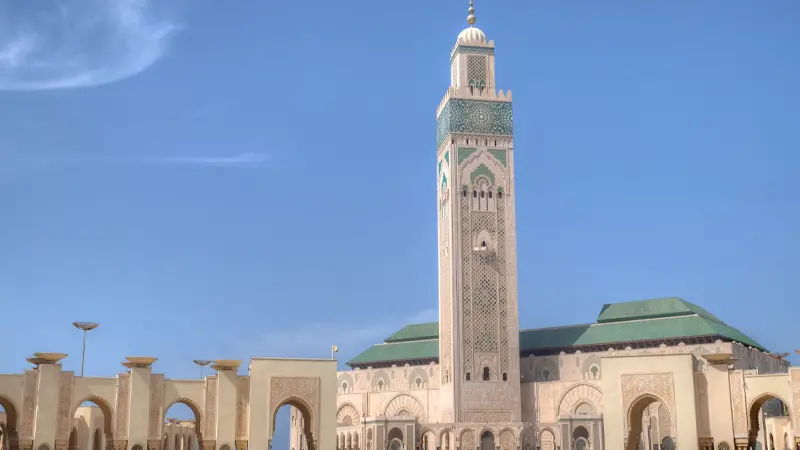
- Casablanca and Hassan II Mosque
- Capital city Rabat
- Blue city Chefchaouen
- Roman ruins at Volubilis
- Imperial city Fes
- Sahara Desert experience
- Atlas Mountains crossing
- Marrakech exploration
This comprehensive tour shows you Morocco from north to south, coast to desert, ancient to modern.
Why Book Your Trip to Morocco With Us
We’re not just a booking platform – we’re local experts who live and breathe Morocco:
- Local Knowledge: Our drivers and guides are Moroccan. They know hidden gems, best restaurants, and cultural insights that guidebooks miss.
- Proven Itineraries: We’ve refined our routes over years of experience. Every stop is worthwhile, every timing optimized.
- Safety First: Our vehicles are well-maintained, our drivers experienced on mountain and desert roads.
- Flexibility: Private tours mean your pace, your interests, your photos stops.
- Value: We bundle quality accommodation, meals, transport, and experiences at competitive prices.
- Support: Questions before booking? Issues during travel? We’re always available.
Whether you choose our 3 days tour from Marrakech to Merzouga for a quick desert escape, the 4 days desert tour from Marrakech to Merzouga for a balanced experience, or the comprehensive 10 days desert tour from Casablanca to Merzouga for the complete Morocco journey, you’re in expert hands.
Final Thoughts
A trip to Morocco promises adventure, beauty, and memories that stay with you forever. From the sensory overload of Marrakech’s medina to the profound silence of the Sahara at night, Morocco offers experiences you simply cannot find elsewhere.
The country welcomes millions of visitors annually for good reason – it’s accessible, affordable, safe, and endlessly fascinating. Whether you’re drawn to ancient history, stunning landscapes, vibrant culture, or culinary delights, Morocco delivers.
We encourage you to start planning your trip to Morocco today. Check visa requirements, consider the best season for your interests, and decide which regions call to you most. And when you’re ready for the desert experience that defines Morocco travel, we’re here to make it unforgettable.
Ready to start your Moroccan adventure? Contact us to discuss which tour fits your timeline and interests. From the efficient 3 days tour from Marrakech to Merzouga to the comprehensive 10 days desert tour from Casablanca to Merzouga, we have the perfect journey waiting for you.